ORIT FUCHS: A NEW STORY
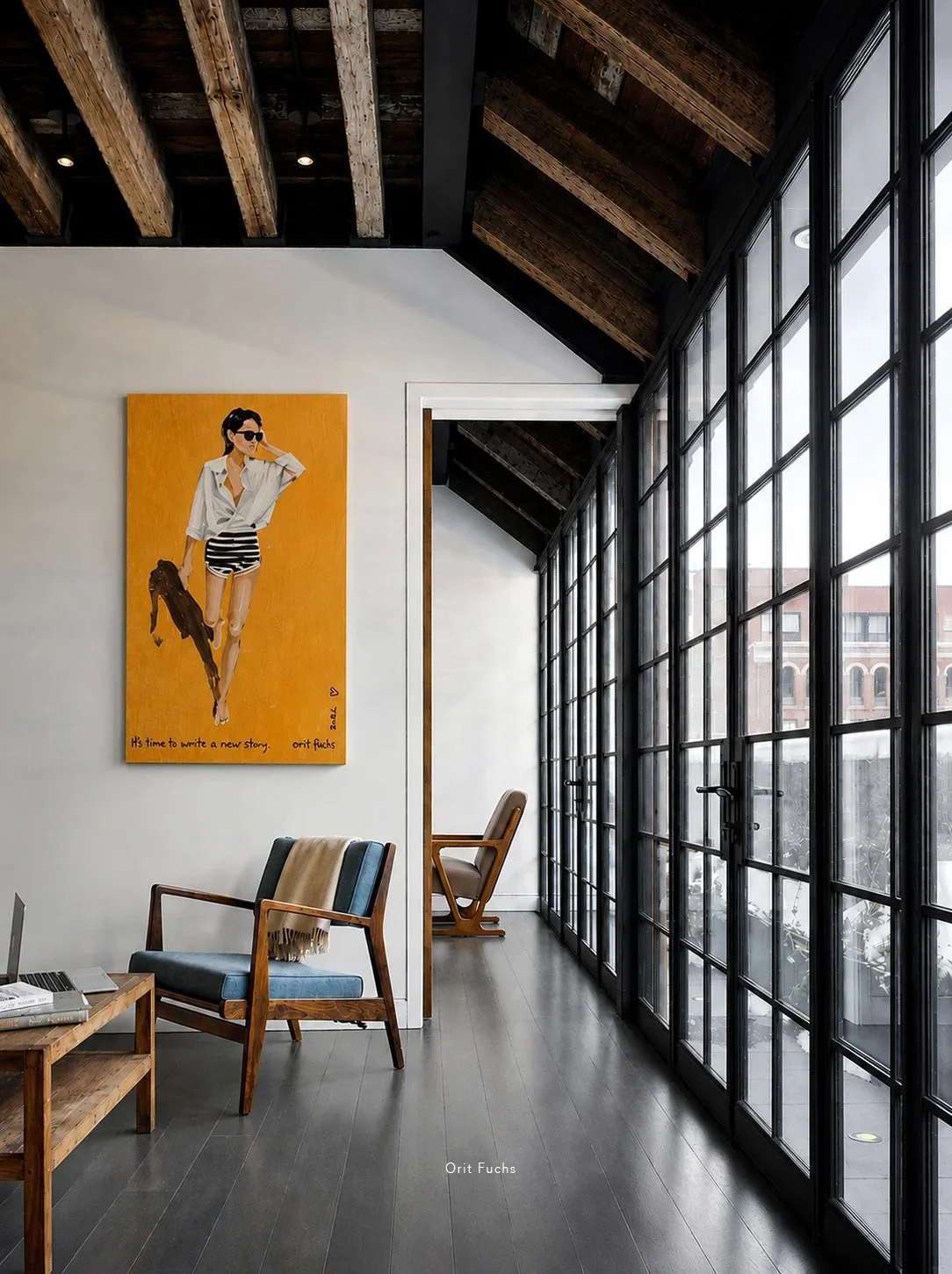
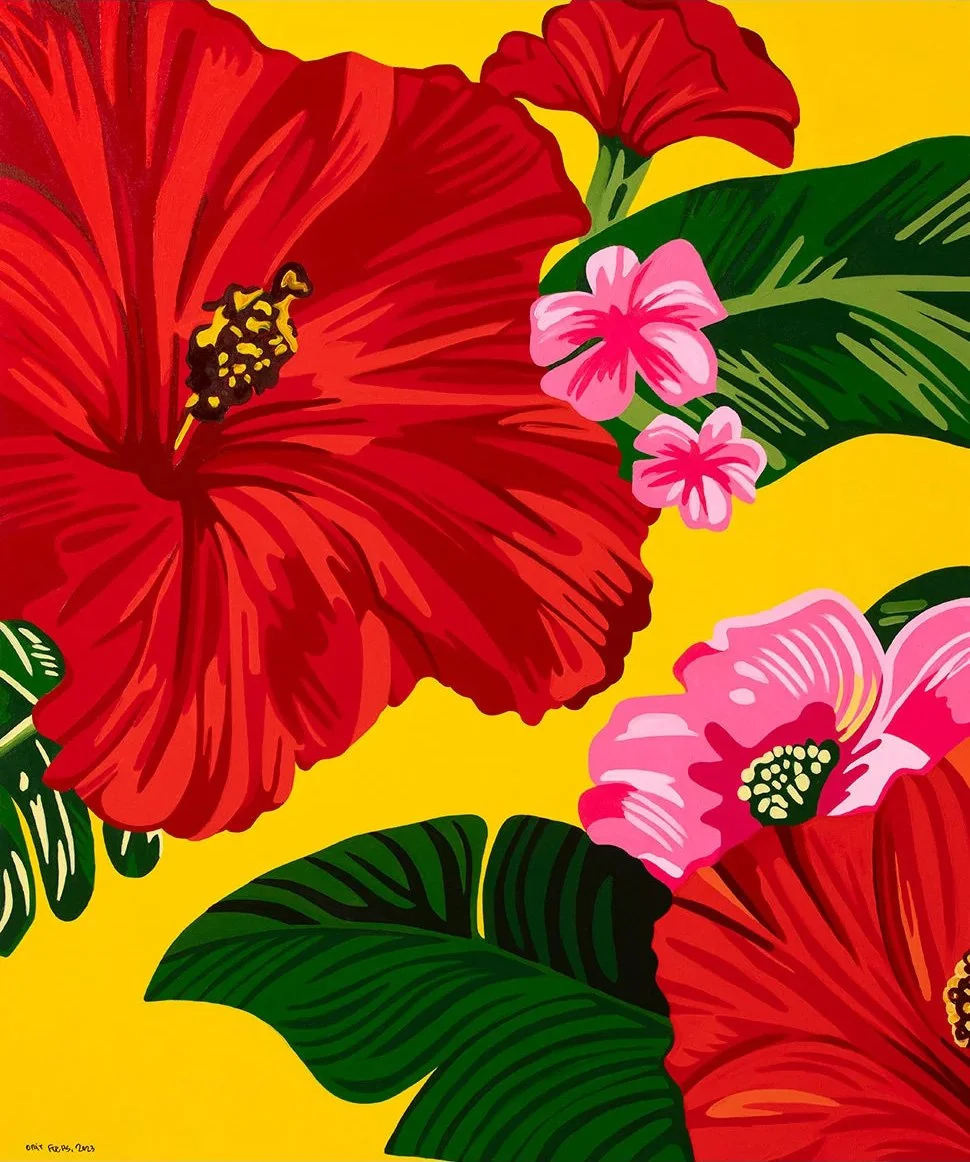
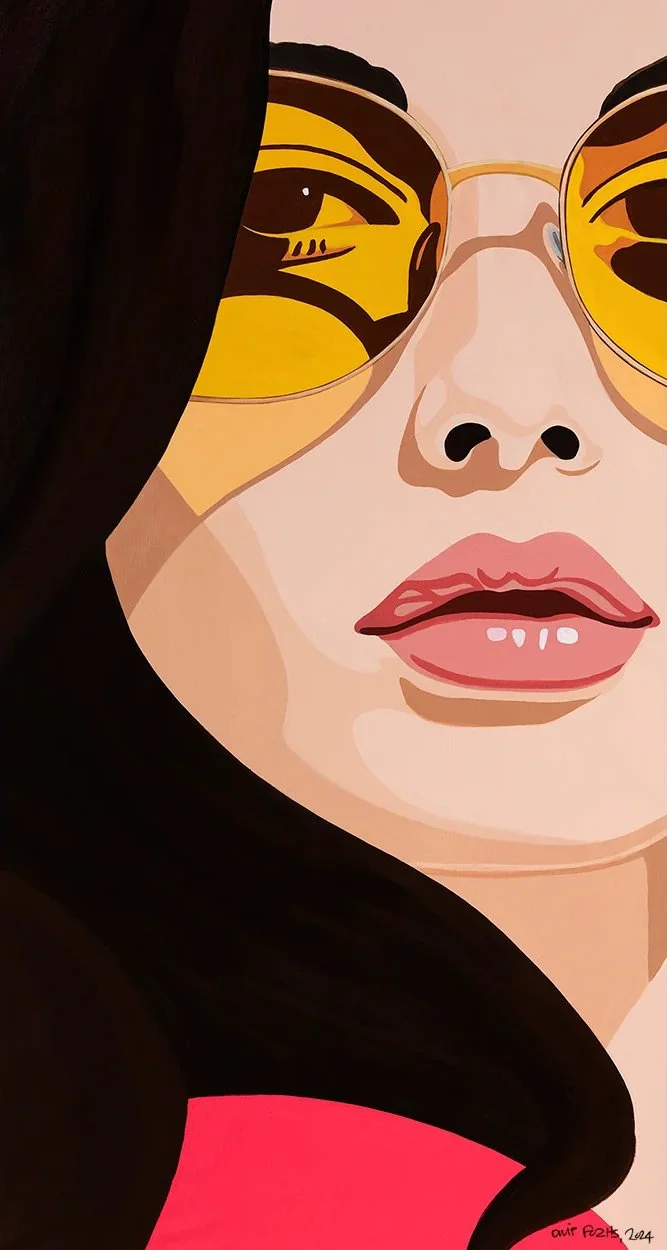
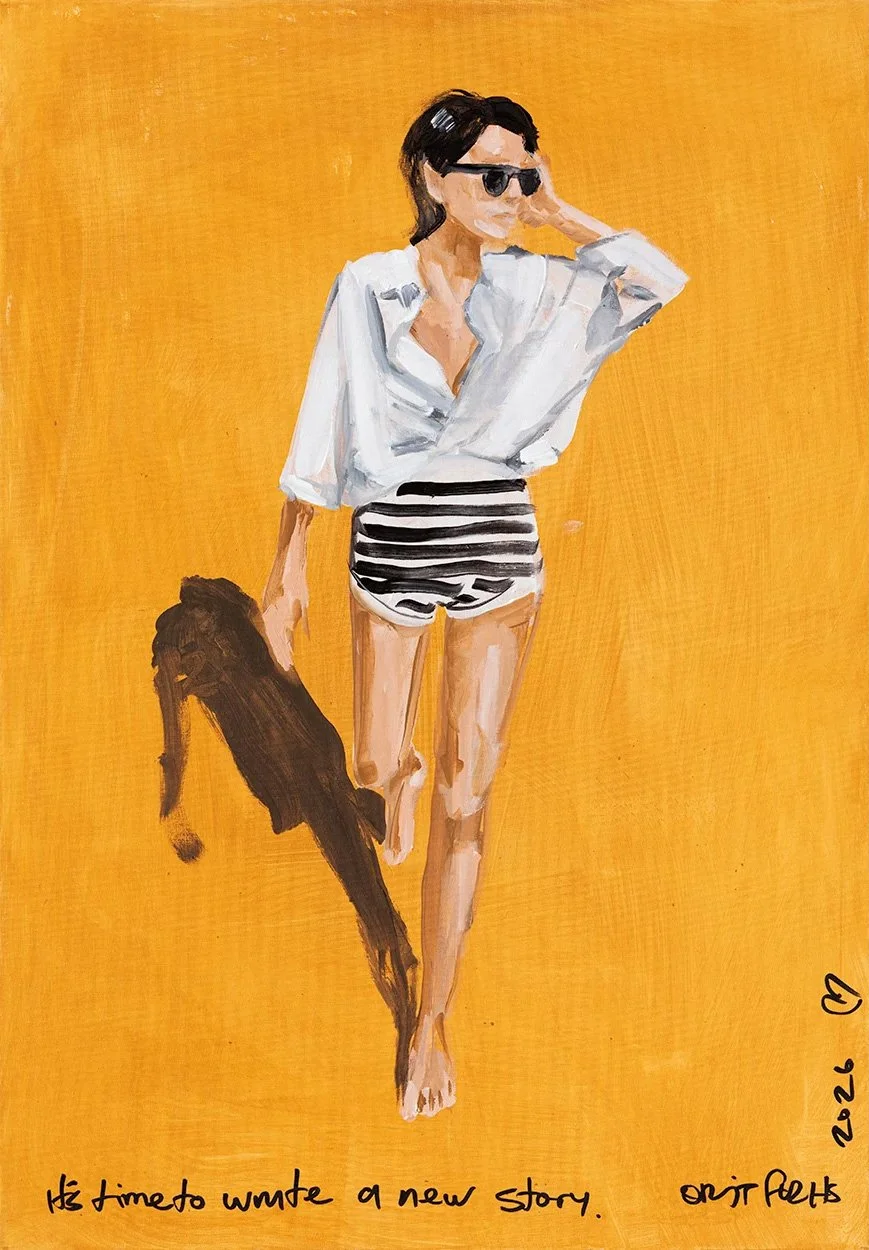
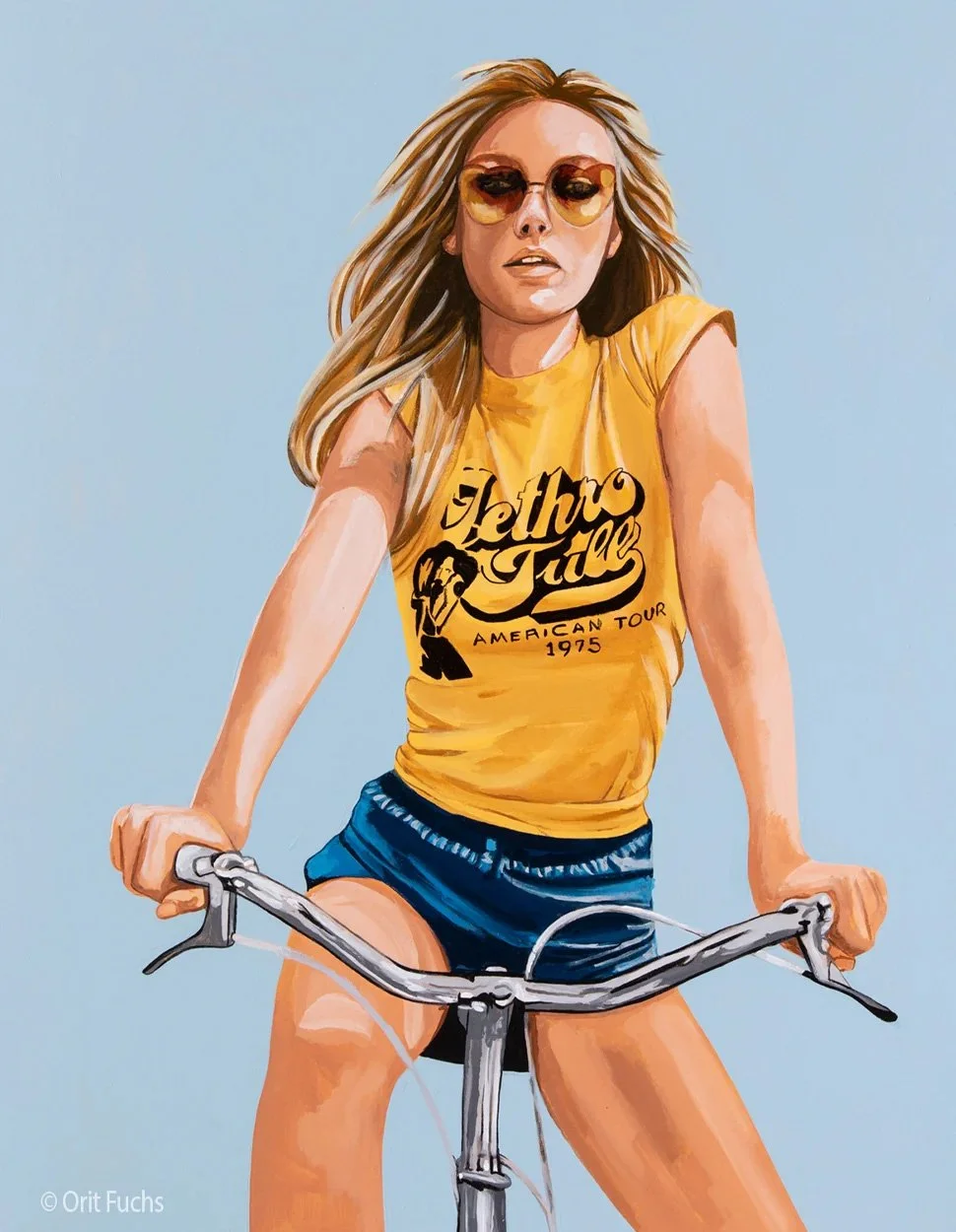
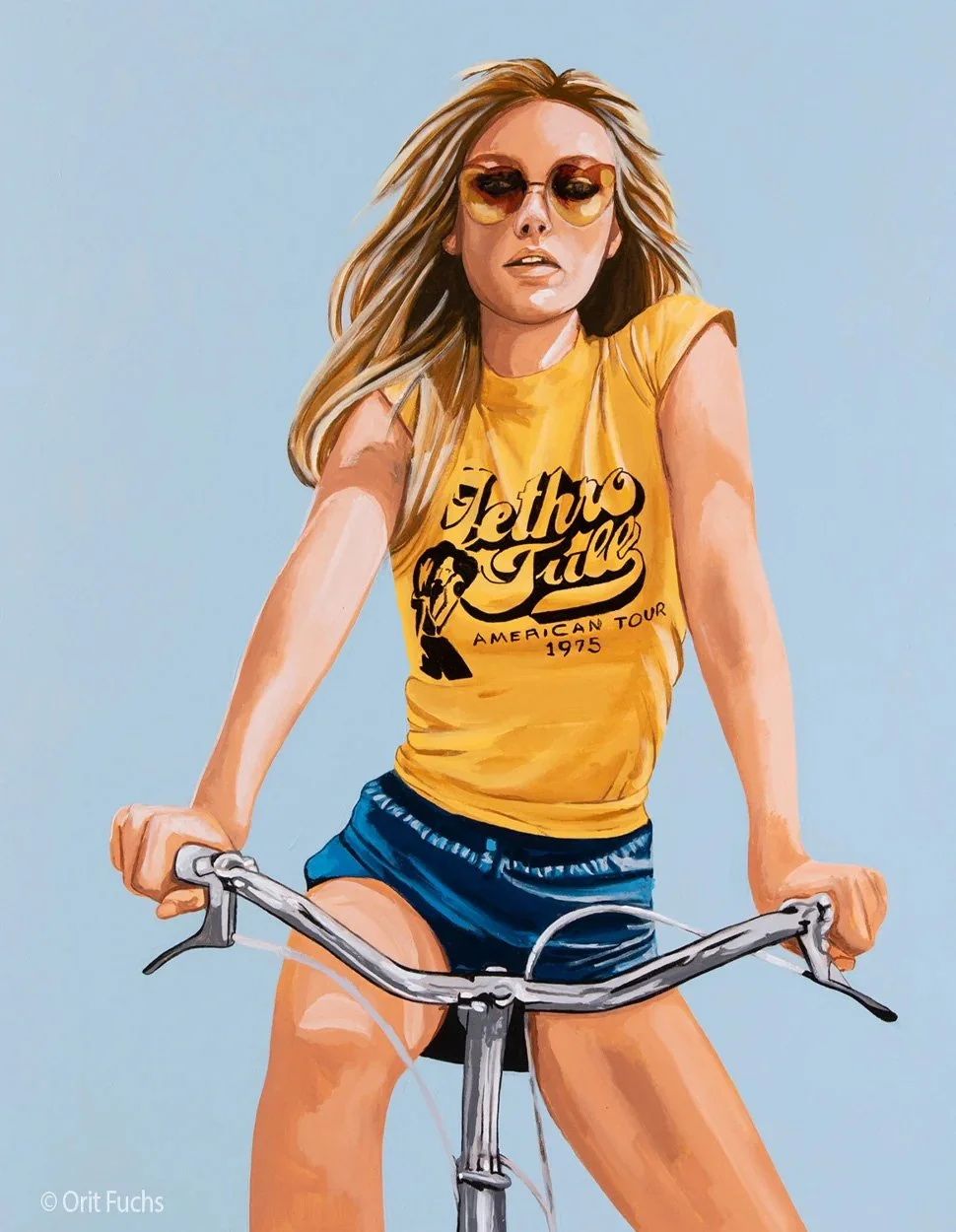
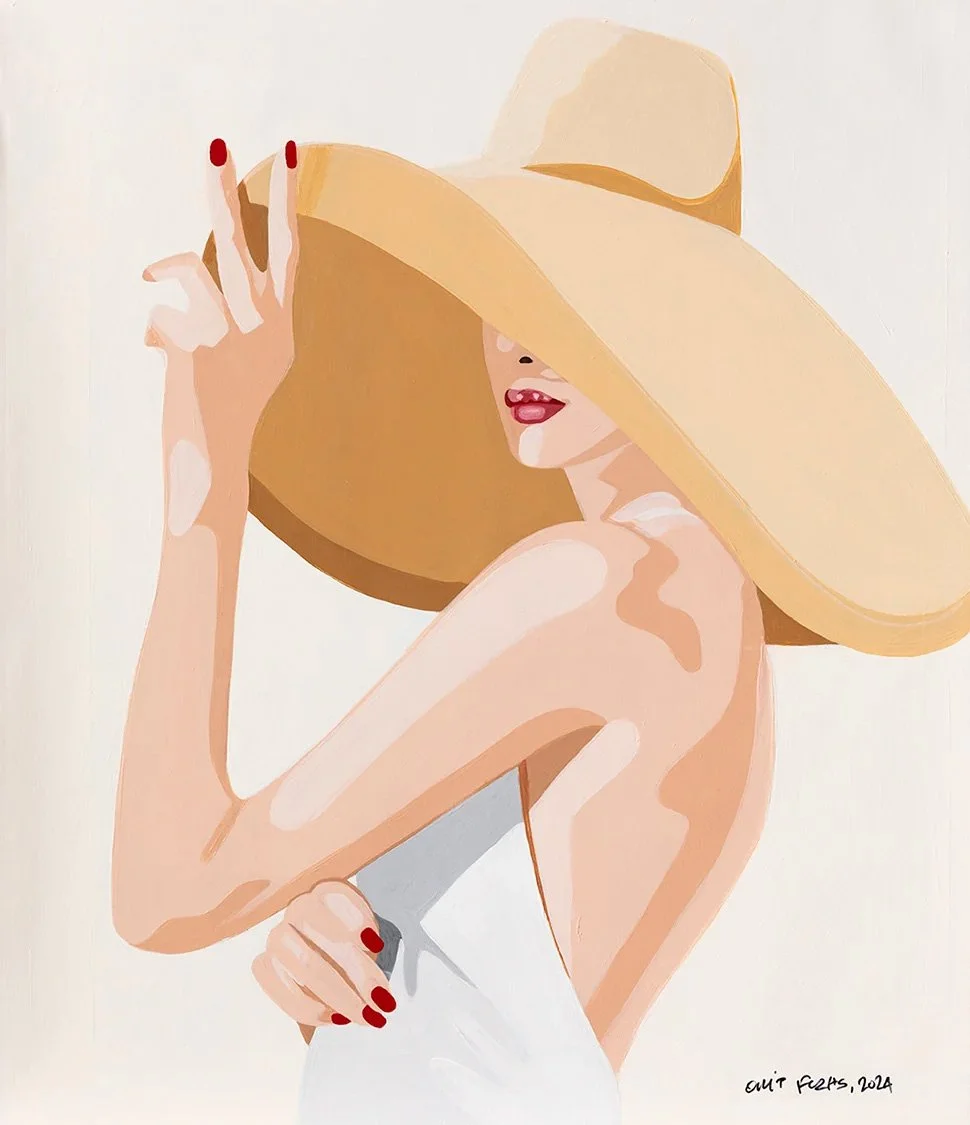
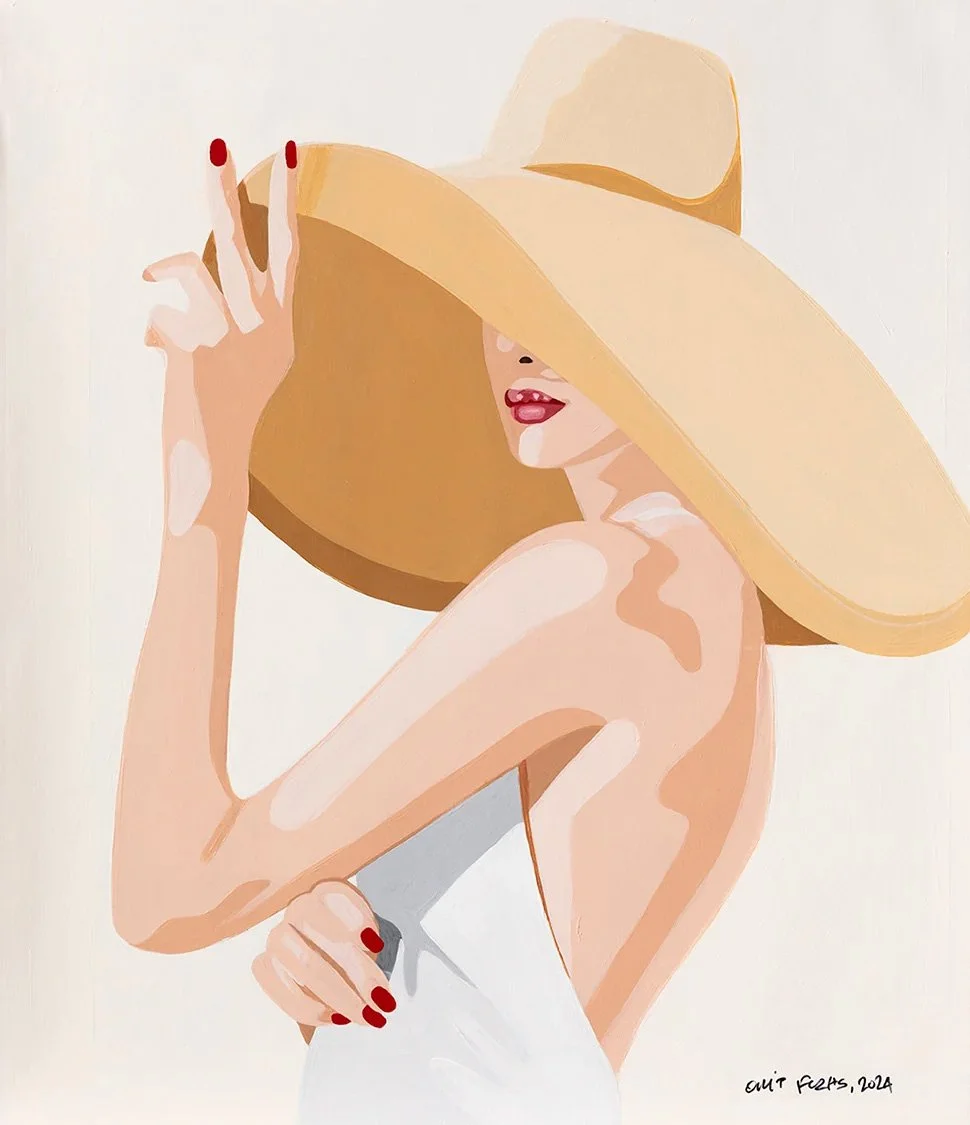
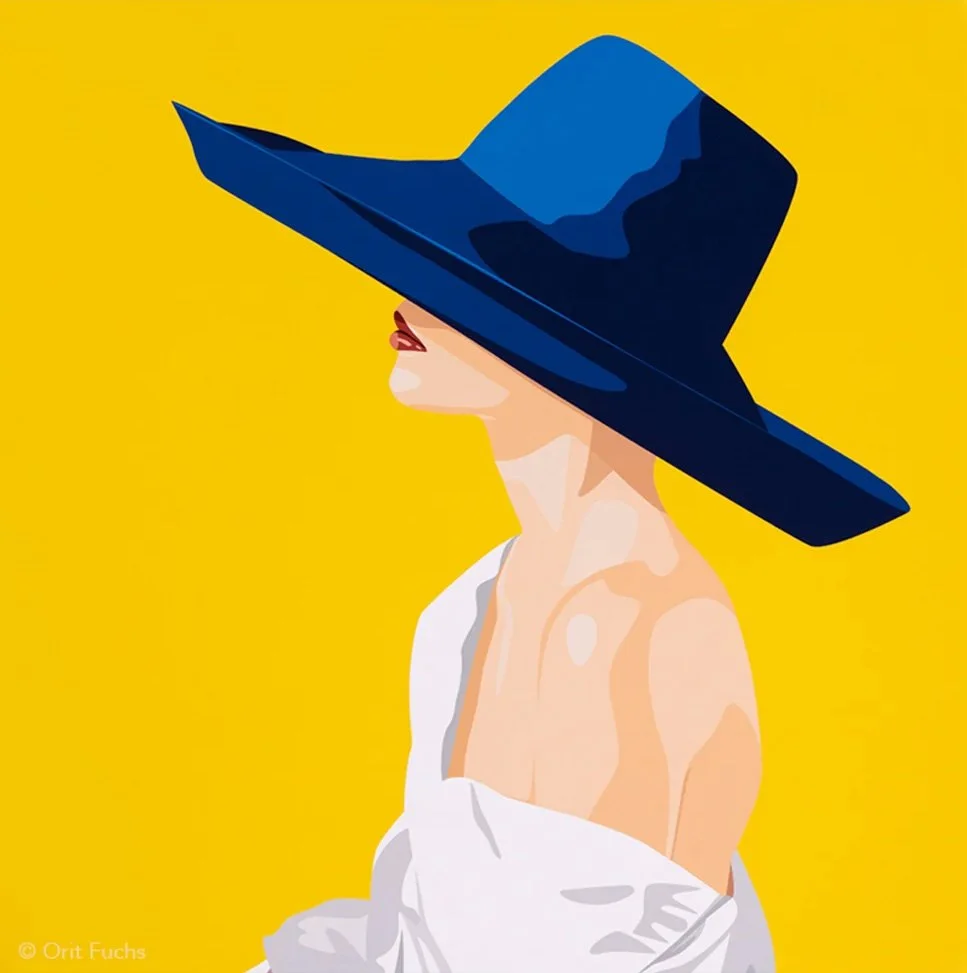
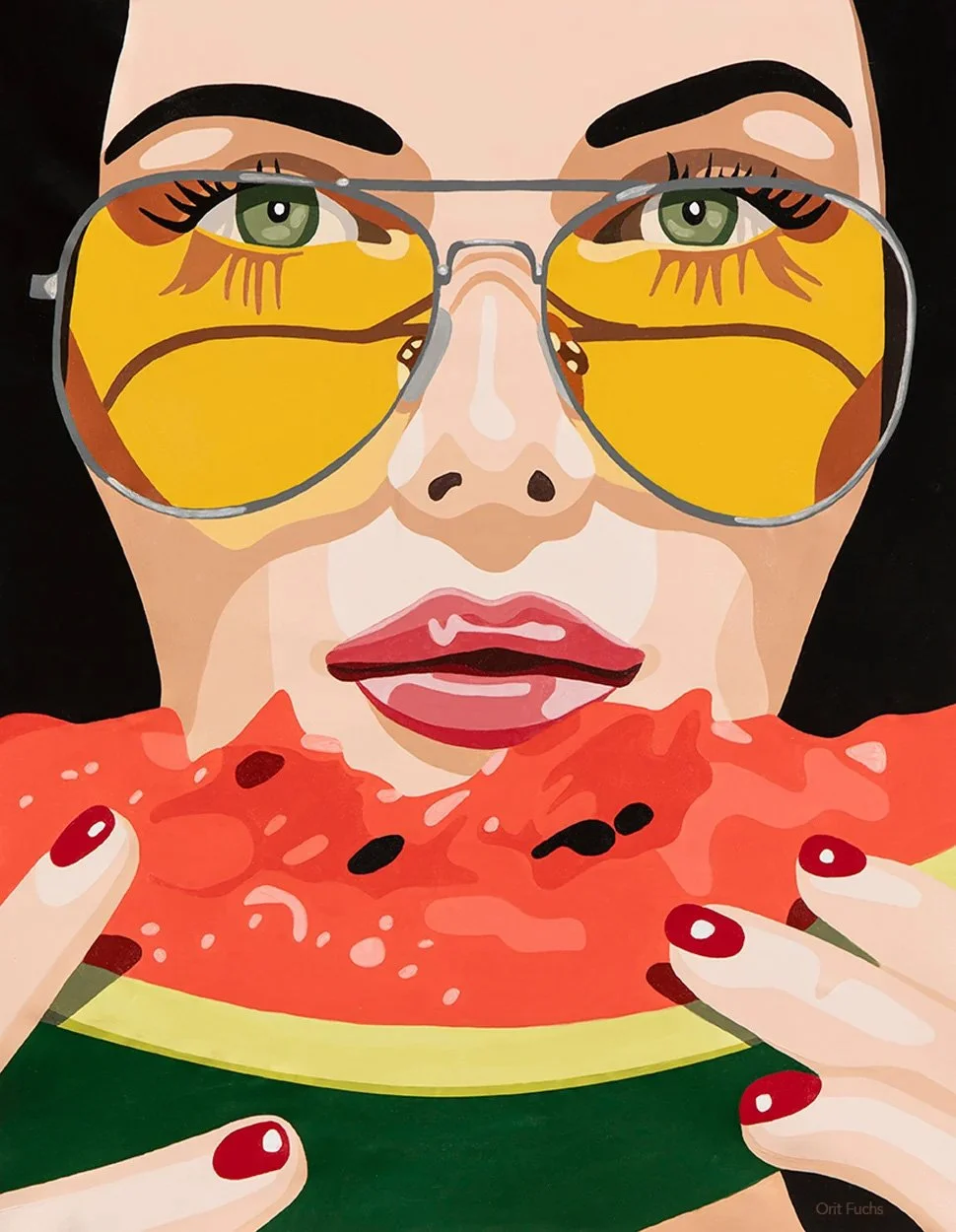
Maune Contemporary is pleased to present, an intimate look at the life and creative evolution of Israeli artist Orit Fuchs. Featuring original works and limited-edition prints, this presentation traces a practice shaped by instinct, reinvention, motherhood, and an enduring need to create.
“IT REMINDED ME THAT WHAT YOU SEE ONLINE IS NOT NECESSARILY THE WHOLE WORLD. THERE WAS A REAL COMMUNITY THERE, AND AT THAT PARTICULAR MOMENT IN MY LIFE, I NEEDED THAT MORE THAN I REALIZED.”
— ORIT FUCHS
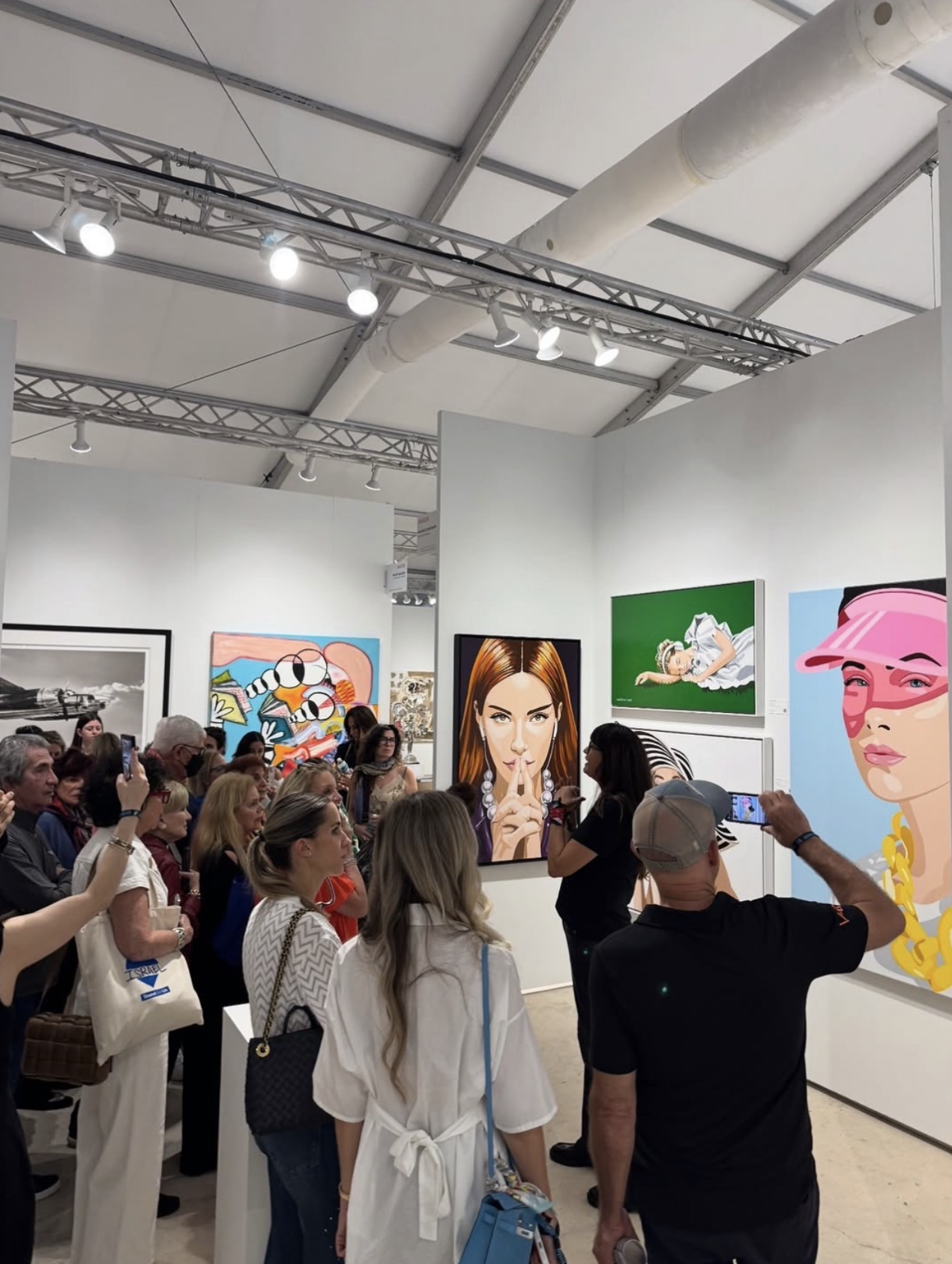
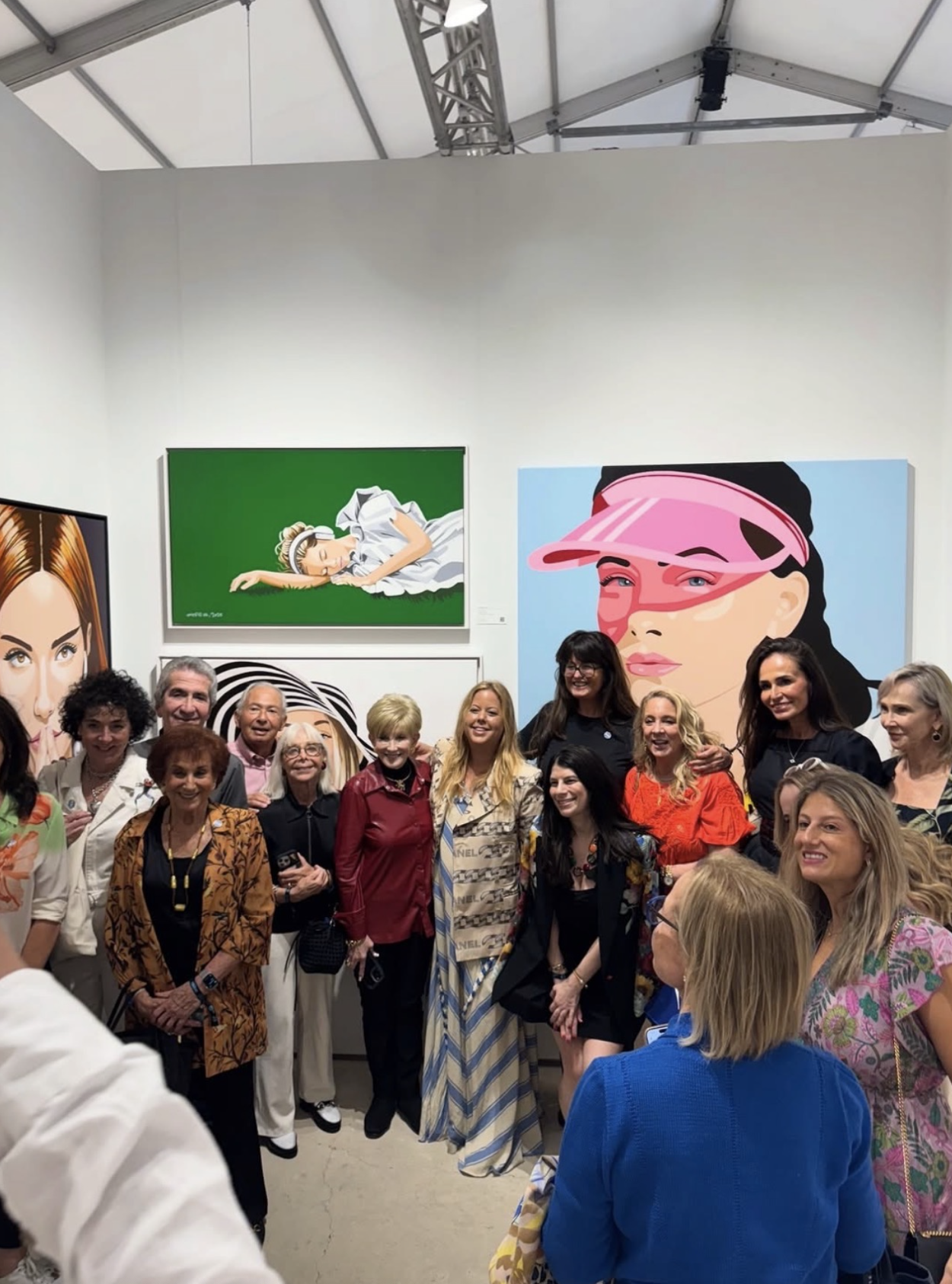
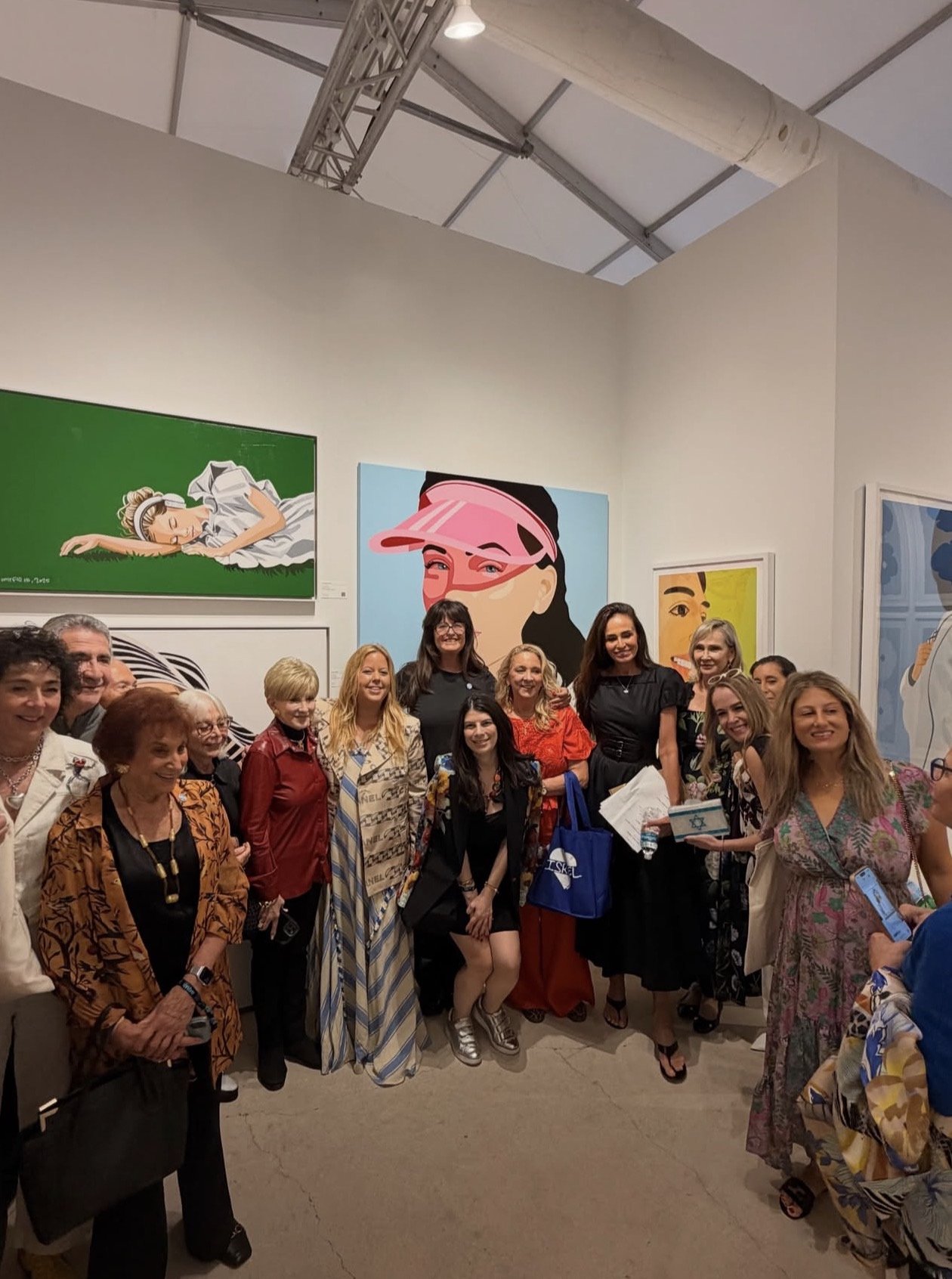
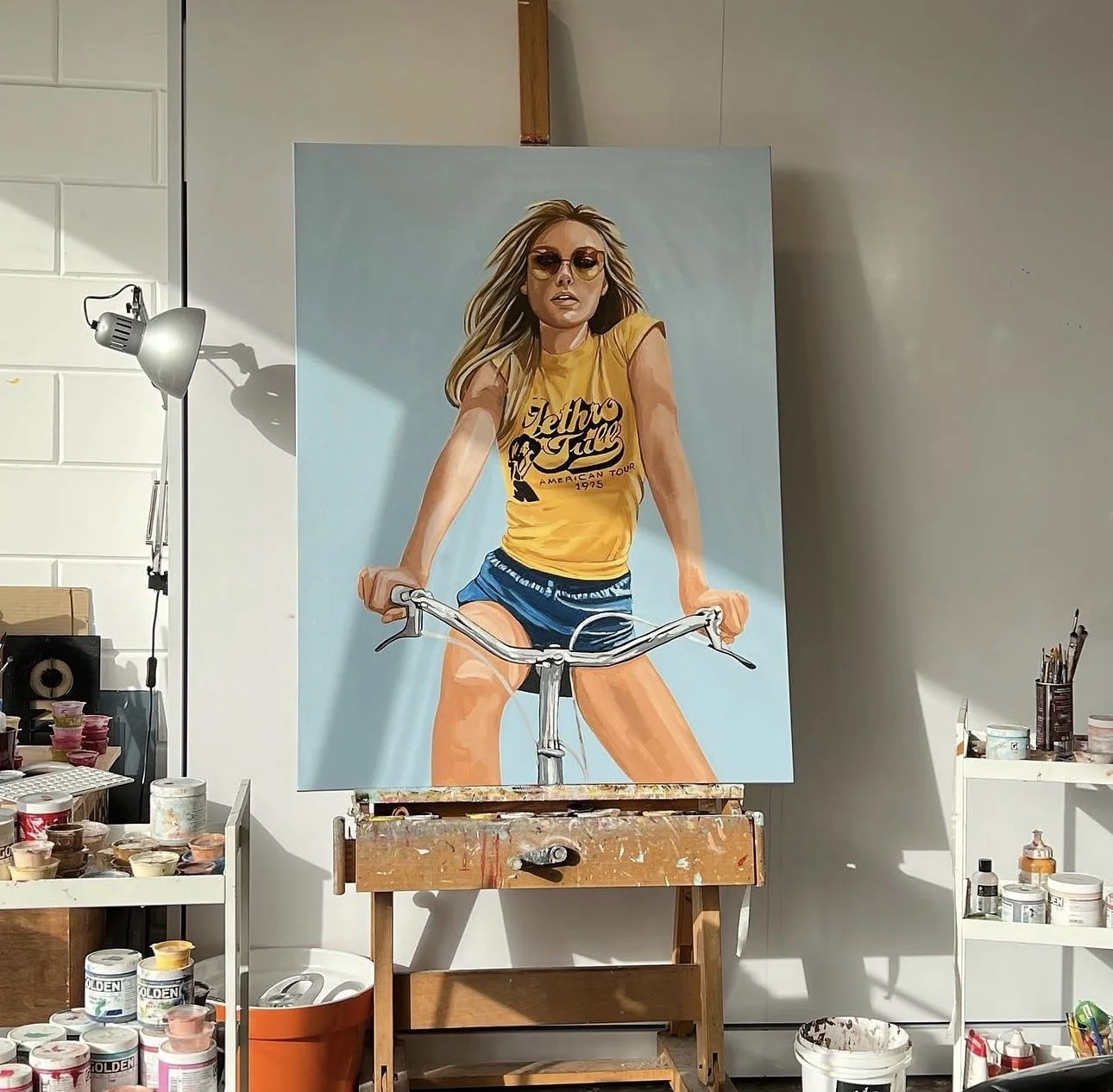
MC: Orit, thank you for sitting down with Maune Contemporary. We’re excited to share a closer look at your story, your creative evolution, and the experiences that have shaped your practice. Let’s start with where we last saw you, in Miami. The last time we saw you in Miami, you were presenting your work during Miami art week and participating in a conversation alongside other Israeli artists. Looking back on that experience now, what did that moment mean to you, both personally and as an artist?
OF: When I arrived in Miami, I was coming from a very difficult period in Israel. Since the war started, I had been receiving so much hate on social media simply because I am Israeli. It was something I was dealing with every day, and I think after a while you almost get used to carrying it.
Then I arrived in Miami and suddenly experienced something completely different.
There was this incredible network around us, with Art World for Israel, StandWithUs, and so many people who had organized themselves with a real intention to support Israeli artists. I knew something was happening before I arrived, but I honestly had no idea how big it was or how many people were involved. It completely surprised me.
After coming from such a difficult atmosphere, suddenly I felt this enormous embrace. That is really the best way I can describe it. I felt supported, protected, and very welcomed. It was emotional, but more than anything, it gave me a very good feeling.
MC: I also remember meeting your lovely daughter, Alma, in Miami! She surprised you by flying out to be there with you. What was that moment like for you? More broadly, how has motherhood shaped you creatively?
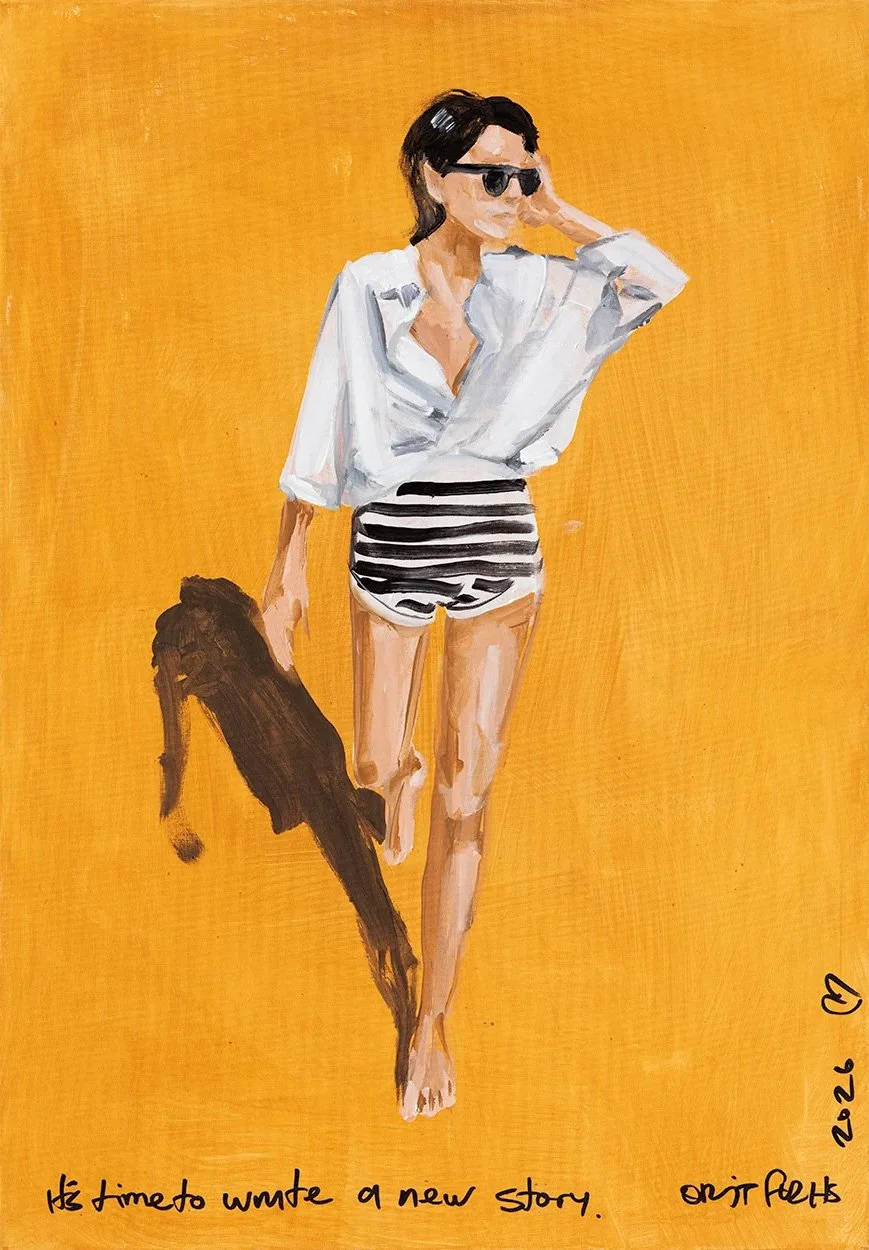
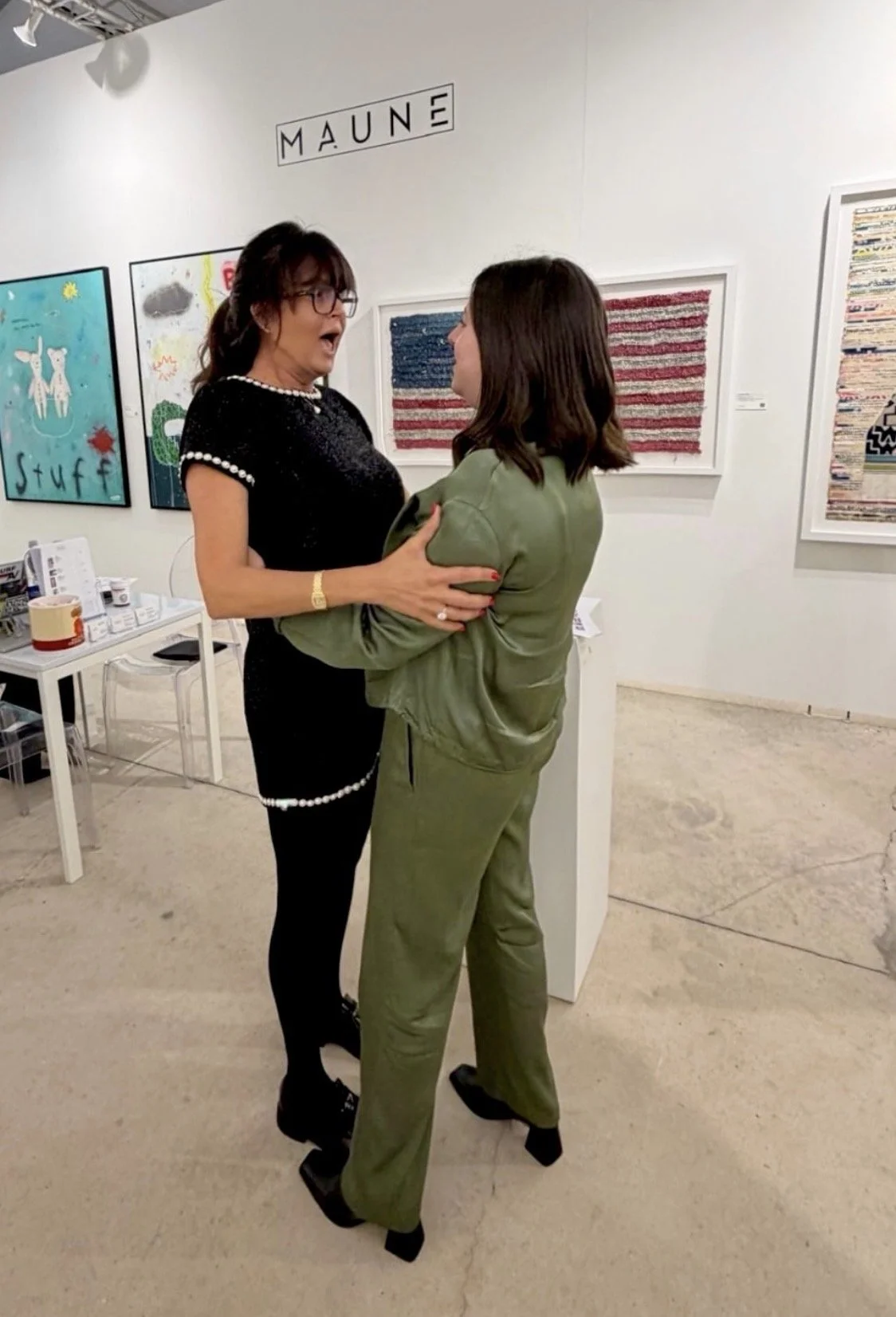
OF: Alma is a huge part of my life. I don’t think she influences my artwork directly, but when I look back, I realize that almost my entire creative development happened alongside her growing up.
Before Alma was born, I worked for years in some of the leading advertising agencies in Israel. I was a graphic designer and art director, working on very large campaigns. I was actually very good at what I did, but I wasn’t completely happy doing it. I loved the creative part, but I hated having a brief. I didn’t like being told what to do. And I definitely didn’t have much patience for comments. [laughs] My creativity was always there, but it was being used to serve something commercial. That is advertising, of course, and at some point I understood that this was the part I was struggling with. Then Alma was born, and I left advertising.
Very quickly, Alma became the reason for my next creative adventure. I needed a diaper bag and I couldn’t find anything on the market that I liked. So I thought, okay, I’ll make one for myself. I designed one. People saw it and went crazy for it. Everybody wanted one. So suddenly I had a business. I started producing the bags in China, and eventually they were being sold through Shilav, the largest baby retail chain in Israel. I called the brand Alma Bag. What is funny is that once the creative part was finished and the bag existed, the business became about producing it, selling it, producing more, selling more. And that is exactly where I started getting bored again.
I realized something about myself that has followed me throughout my life: I love creating something that doesn’t exist. Once it becomes about repeating, producing, and selling the same thing, I start losing interest. Eventually I sold the brand. By then Alma was growing up and she needed clothes. So naturally, I started making clothes. I created a girls’ clothing brand, also called Alma. The clothes were very boutique, very special, almost one of a kind, and the brand became very successful. And then, of course, I got bored again.
It sounds funny when I tell the story now, but there is actually a very clear pattern. I need the unknown. I need the part where I have to invent something. Once I know exactly what I am doing, it becomes less interesting to me. So in many ways, Alma and I grew creatively together. She needed something, and I created it. First the bag, then the clothes. Her different stages opened different doors for me.
“ALMA BECAME THE REASON FOR MY NEXT CREATIVE ADVENTURE... SO IN MANY WAYS, ALMA AND I GREW CREATIVELY TOGETHER. SHE NEEDED SOMETHING, AND I CREATED IT. FIRST THE BAG, THEN THE CLOTHES. HER DIFFERENT STAGES OPENED DIFFERENT DOORS FOR ME.”
— ORIT FUCHS
MC: Thinking about your own childhood, what kind of environment did you grow up in? What were you like as a child? Was creativity already a part of your life?
OF: I was a very dreamy child. I had severe attention difficulties, but at the time people didn’t really understand what that meant. Nobody really knew what was going on with me. School was difficult. Sitting in a classroom was almost impossible for me. I spent a lot of time alone, and I drew constantly. Drawing was really the way I connected with myself. I have this amazing memory from when I was extremely young, maybe third or fourth grade.
My art teacher somehow understood me. Instead of forcing me to sit in class, she would take me out, give me huge cans of paint and brushes, and let me paint the walls of the school. Literally the walls. When I think about it today, I cannot understand how she had the courage to do that. I’m not even sure I would have the courage now to give a nine-year-old cans of paint and say, “Go ahead, do whatever you want.” But she did. And it was incredible. That was basically my school experience. I couldn’t sit still, but if you gave me something to create, I could disappear into it completely.
“PAINTING GAVE ME A PLACE WHERE EVERYTHING MADE SENSE.”
— ORIT FUCHS
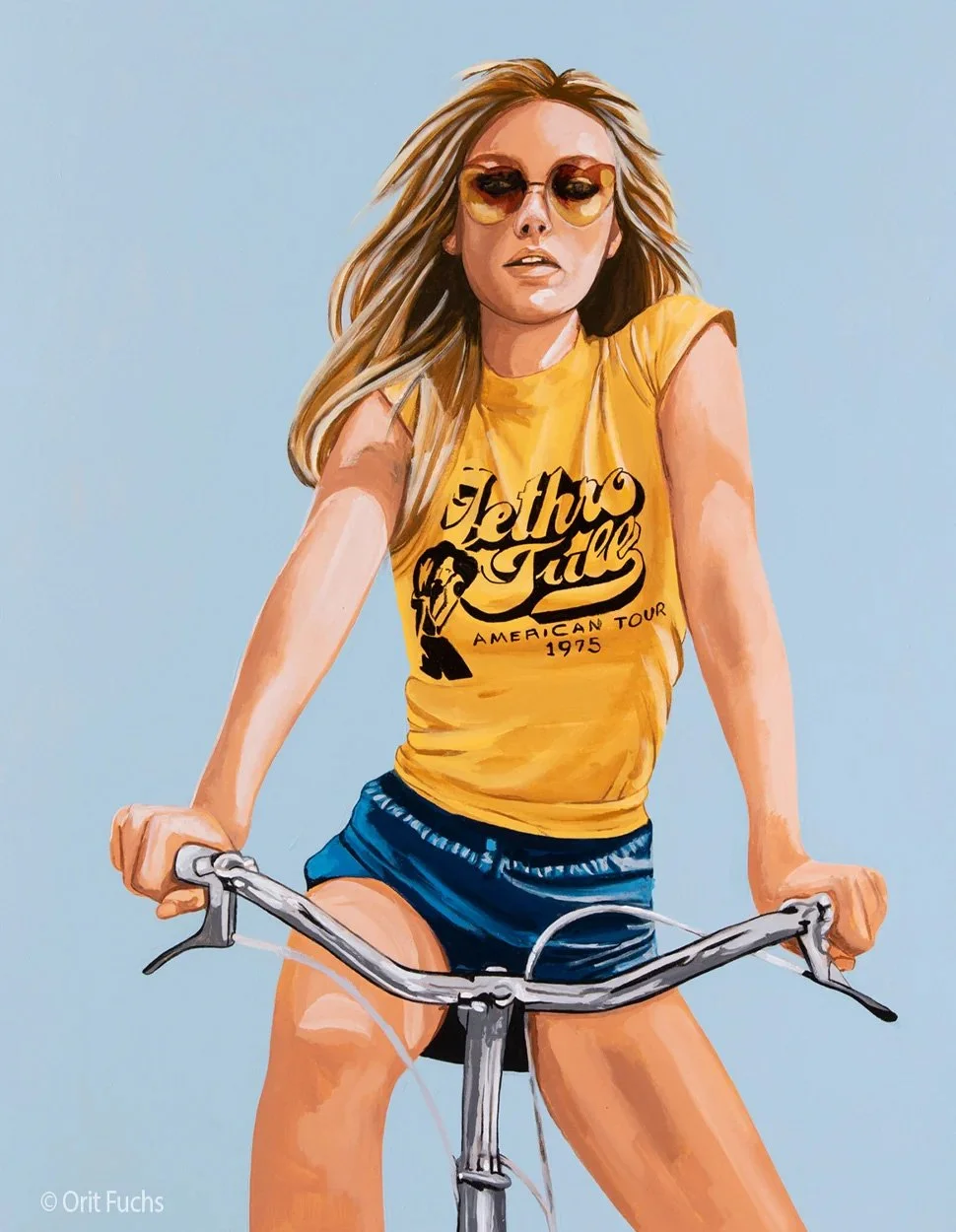
MC: If drawing and painting were already so instinctive for you, was there a particular moment when you realized art could become more than an interest and actually become your life?
OF: That realization came much later. The strange thing is that because drawing and painting always came easily to me, I never thought of them as something special. I actually thought everybody could do it. Somewhere in my head, I had this idea that work was supposed to be difficult. If something came naturally to me and I loved doing it, how could that possibly be my profession? Painting served me more than I served painting. It gave me something emotionally, so I never thought of it as a career. That is one of the reasons I chose graphic design instead. Many years later, after Alma and after my other two children were born, I had sold the businesses and, for the first time, I was basically at home being a mother. And I stopped creating. That was not good for me. I went through a very difficult personal period. I felt like I had lost something essential in myself. Things in my life started to feel like they were falling apart, and I didn’t really understand why. And then I started painting again. Not because I had decided to become an artist. Not because I had a career plan. Not because I thought anyone would ever see the paintings. I just started painting. Immediately, I could feel what it was doing to me physically. It was almost like something in my body opened up. I became calmer. I could breathe differently. It felt like I had found the hole in the bucket and finally knew how to close it. So I turned the parking area of our house into a studio. And then I painted like a crazy person.
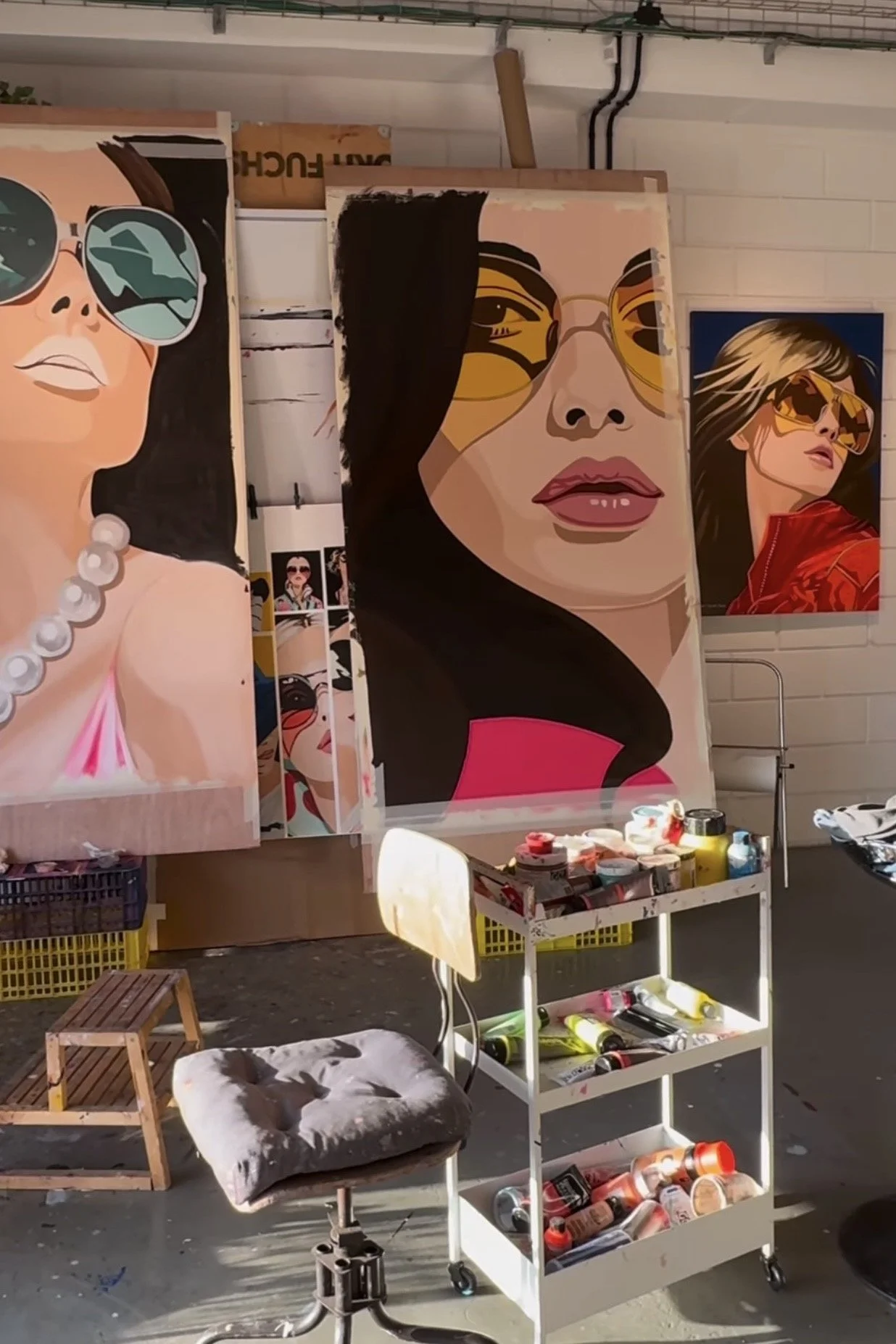
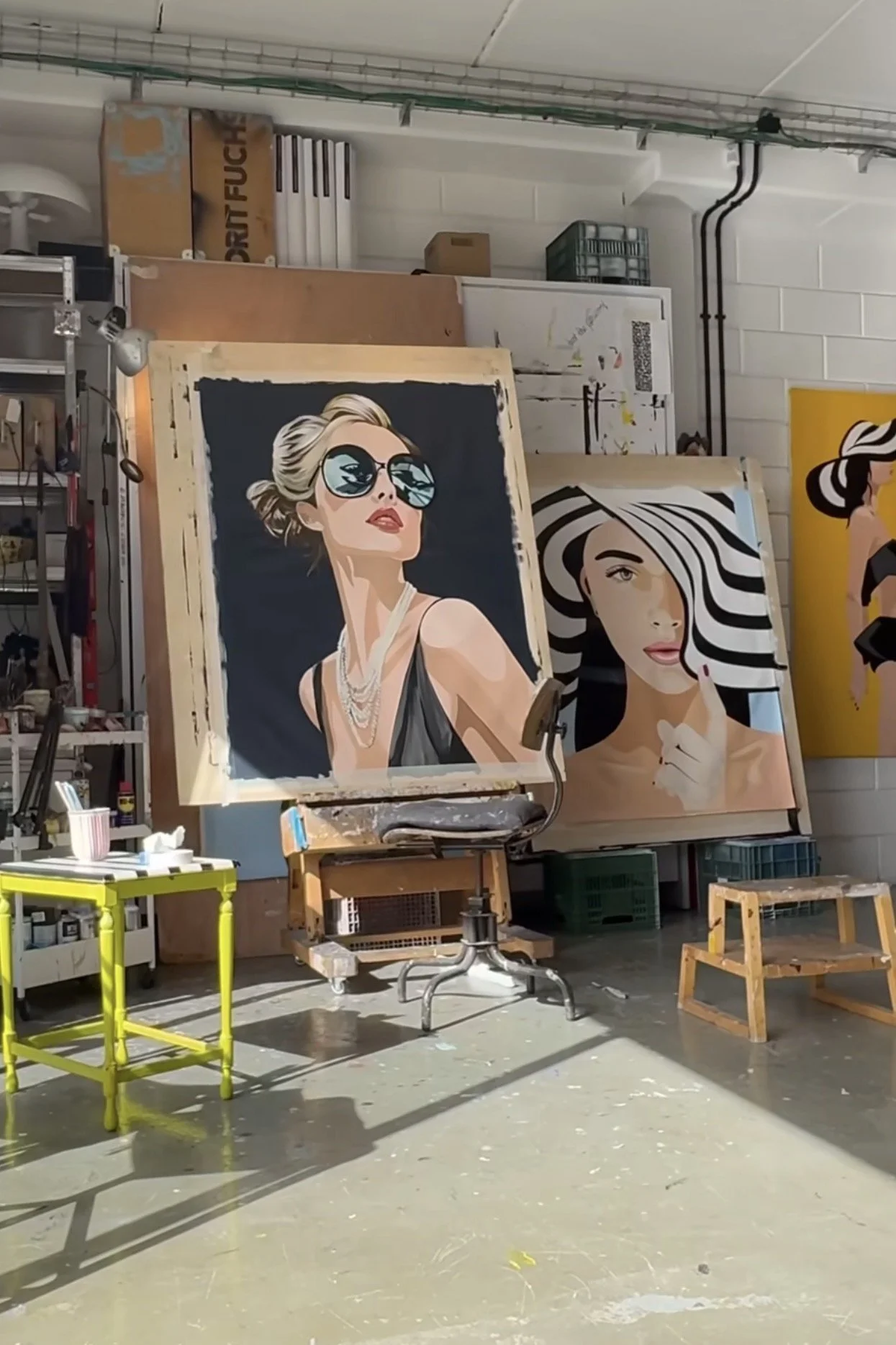
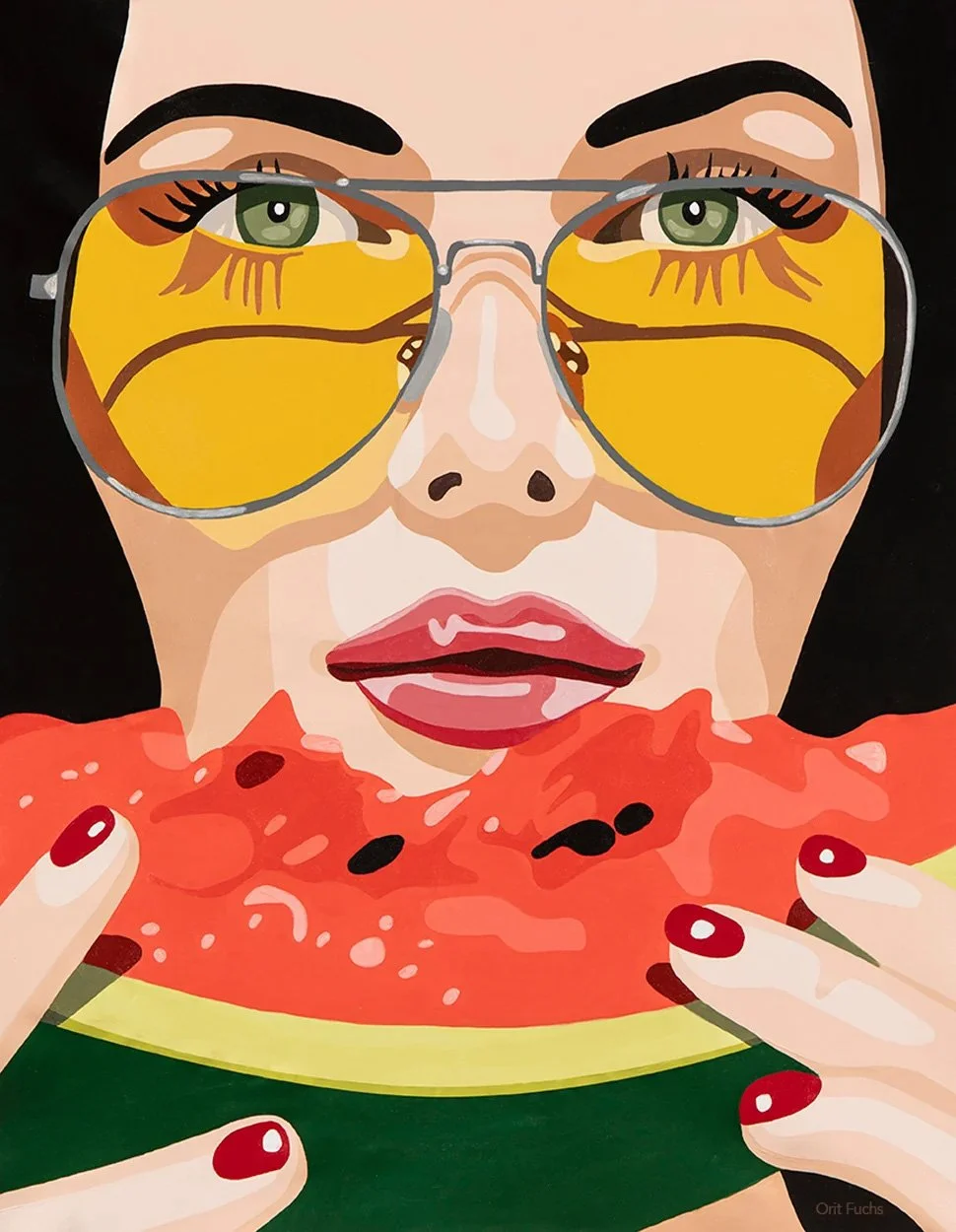
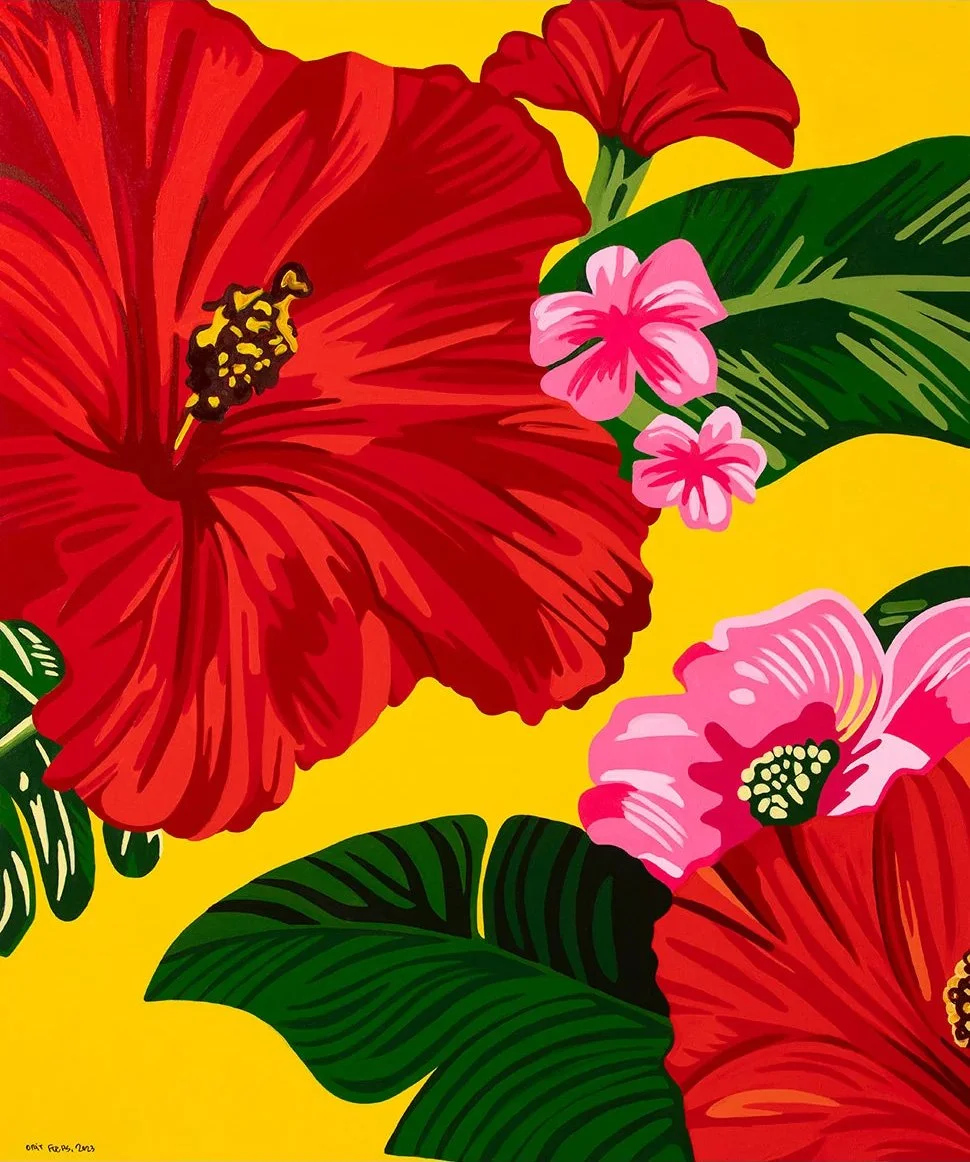
From the beginning, I painted big. Huge canvases. Oil paint. I would wake up in the morning, send the kids to school, put my hair up with a clip, go downstairs to the parking area, and paint for hours. No air conditioning. Nothing glamorous about it. Just me and the paintings.
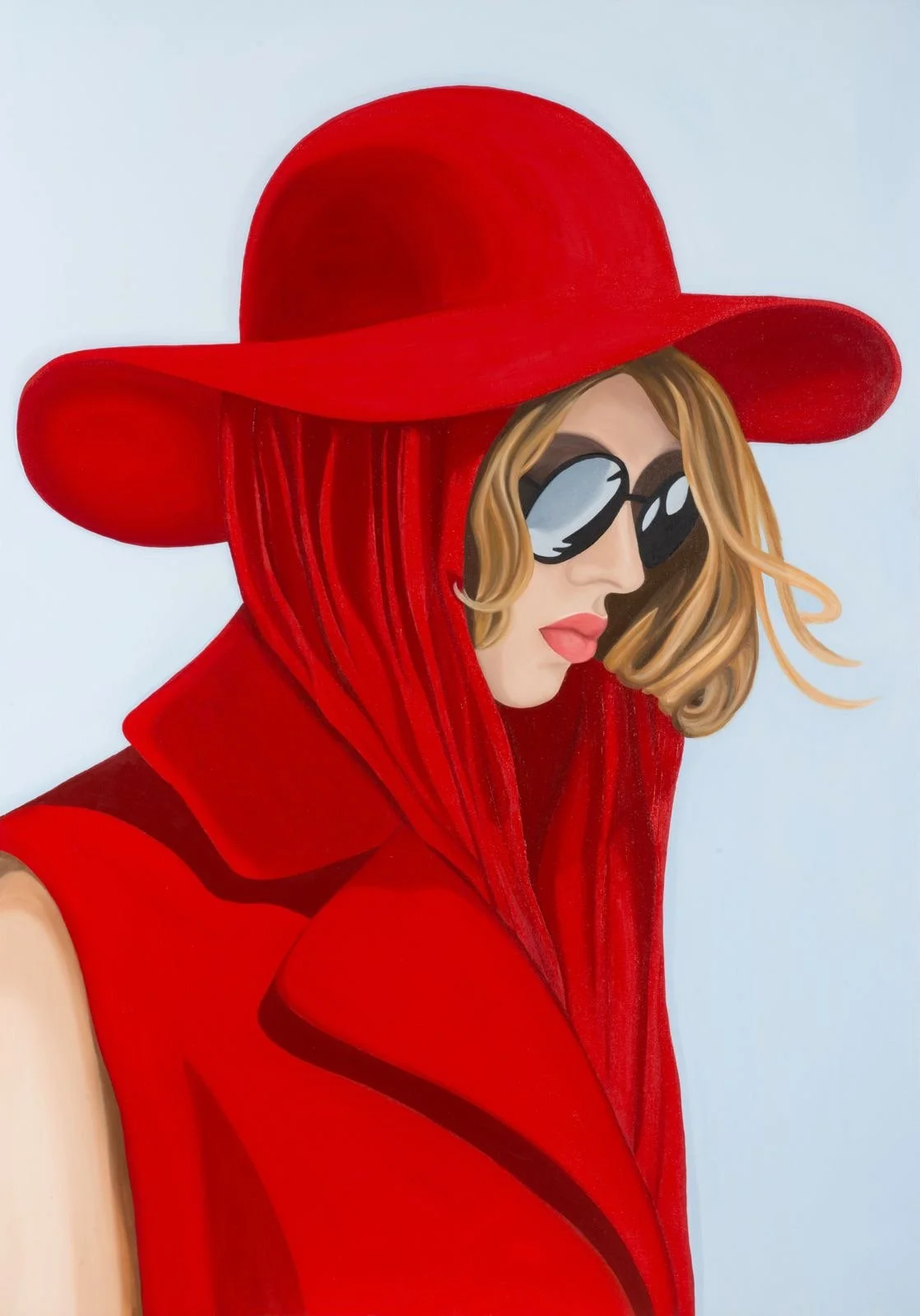
The first painting was Red Woman.
And then I just kept going. For almost five years, I painted there obsessively. Nobody really knew what I was doing. Honestly, I’m not sure I knew what I was doing either. There wasn’t even enough room to properly store the paintings, so I would finish one, turn it around, put another canvas in front of it, and start again. The canvases were stacked one behind another. Sometimes I even forgot what was behind them. My closest friends didn’t really know what I was doing all day.
It was very private. And it healed me. Things in my life started finding their place again. My family, my home, myself. It was almost as if painting put all the cards back where they belonged.
“ACROSS EVERY STAGE OF MY LIFE, THE MEDIUM HAS CHANGED, BUT THE NEED TO CREATE HAS REMAINED THE SAME.”
— ORIT FUCHS
MC: Your practice today moves across painting, sculpture, illustration, photography, typography, and design. Did your education encourage that multidisciplinary way of thinking, or did it develop more intuitively over time?
OF: At some point during those years of painting, I realized that instinct wasn’t enough for me anymore.
I felt I was missing knowledge. I wanted to understand materials. I wanted to understand what else was possible. So I went to study art at Bezalel and did a preparatory art program. But I never stopped painting. Eventually, I started sculpting as well. That was really the beginning of the end for my home studio. [laughs] Once sculpture entered the picture, the house slowly became a real working studio. Materials everywhere, paintings everywhere, sculptures, tools. At some point it became impossible to continue working from home. That was when I knew I needed a real studio. I found a space, bought it, and renovated it completely. I remember that decision very clearly because it was the first time I said to myself: This is not something I am doing for now. This is what I am going to do with my life. Until then, almost nobody had seen the work. My friends kept asking me, “Where have you disappeared to? What are you doing? Why do you suddenly need a studio?” So when the studio was ready, I decided to have a party. I thought, okay, everybody has been asking me where I disappeared for the last five years. I’ll invite them and finally show them. I filled the studio with the work. We had music, alcohol, friends, friends of friends. It was a great night. And then something happened that completely shocked me. People started asking me, “How much is this?”
I remember looking at them and saying, “What do you mean, how much? It’s not for sale.” I had never even considered selling the paintings. They were mine. They were part of this very private process that I had been going through for years. And that was another important realization for me. I understood that part of growing, and maybe even part of the healing, was learning how to let go. I had made these works because I needed to make them. But I didn’t necessarily need to keep them. That was really the beginning.
After that came my first exhibition, and then somehow the work started traveling outside Israel and my career became international. But that is another story, and strangely enough, that happened almost by accident too.
“I UNDERSTOOD THAT PART OF GROWING, AND MAYBE EVEN PART OF THE HEALING, WAS LEARNING HOW TO LET GO.”
— ORIT FUCHS
Thank you, Orit, for sharing your story with us and for offering such an open look into the experiences, relationships, and creative instincts that have shaped your life and practice. We are grateful to present your work alongside your own words.
— Maune Contemporary